Money Apps 2026: Budgeting and Saving Made Simple
Modern money apps have quietly transformed how everyday people budget, save, and plan for the future in 2026. What used to demand a shoebox of receipts and a Sunday spent with a calculator now happens automatically in the background of your phone. The result is that building good financial habits is finally within reach for anyone willing to spend a few minutes setting up the right tools.
This guide shows you how to use money apps to create a budget you can keep, grow your savings on autopilot, and avoid the pitfalls that trip up first-time users. No jargon, no spreadsheets, just a clear path.
The promise of these tools is simple but powerful: they shift the hard work of money management from your memory to your phone. You no longer have to remember every coffee, every bill, or every transfer. The app handles the record-keeping while you focus on the decisions that matter. That shift is exactly what makes lasting change possible for people who have tried and quit budgeting before.
How Money Apps Simplify Your Budget
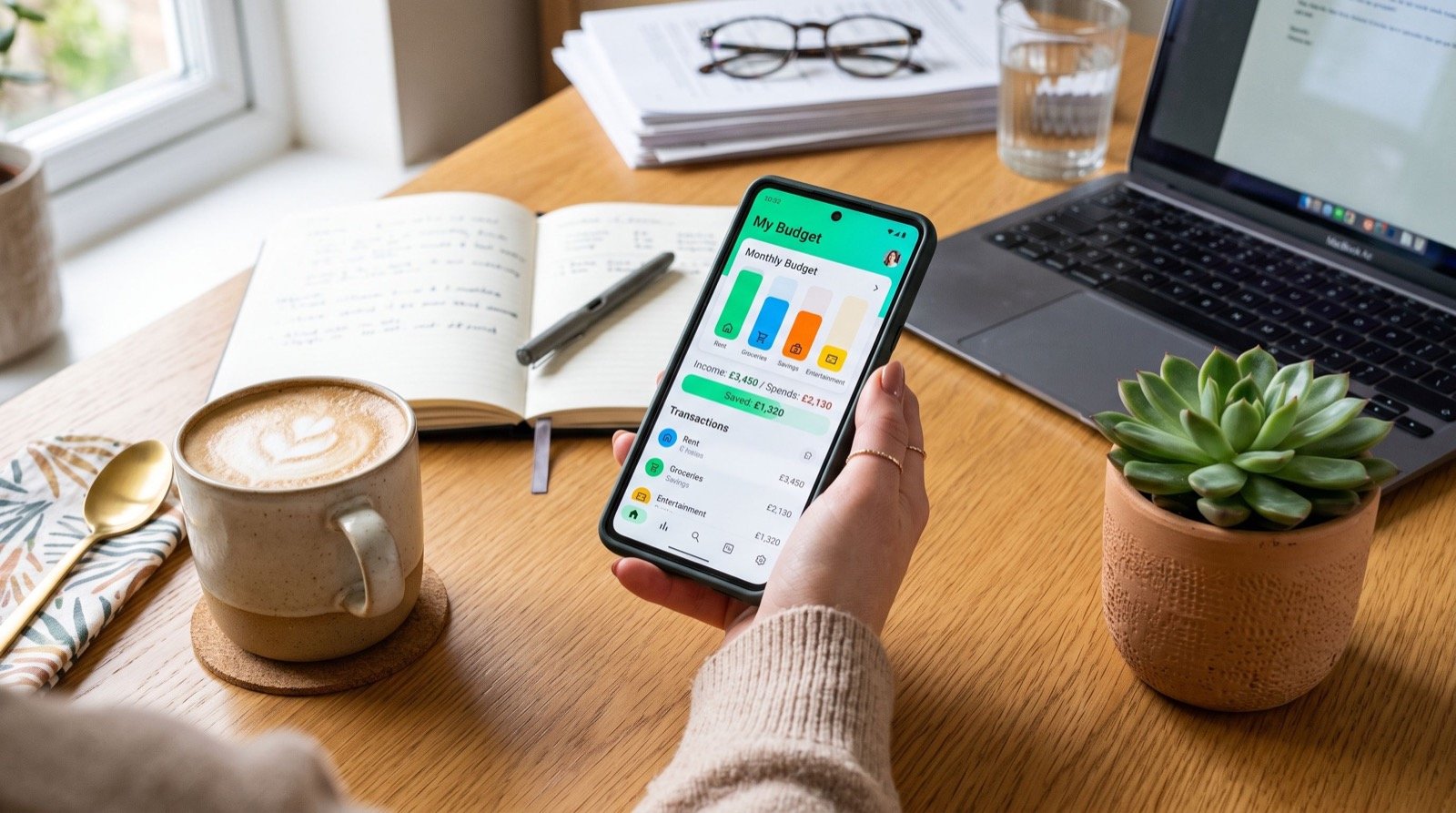
The biggest reason budgets fail is friction. Manually logging every purchase is exhausting, so most people quit within weeks. Money apps remove that friction by automatically importing and categorizing transactions, then showing you exactly where your cash goes.
Instead of guessing, you see a clear picture: how much went to groceries, how much to subscriptions, and how much is left to save. That visibility alone changes behavior. Pairing a good app with proven personal finance tips turns raw data into real progress.
Awareness is the first and most underrated win. Studies of spending behavior consistently show that simply watching a number go up or down nudges people toward better choices, an effect sometimes called the observer effect of budgeting. When you know the app will log that impulse purchase, you pause. Over weeks, those small pauses reshape your habits without any painful sense of restriction.
What a Good Budgeting App Tracks
- Income across multiple accounts in one dashboard.
- Spending grouped into clear, customizable categories.
- Upcoming bills and subscription renewals.
- Net worth trends over months and years.
Automate Your Savings the Smart Way
Saving money is far easier when you never see the money in the first place. The best apps let you schedule automatic transfers or round up purchases to the nearest dollar and stash the difference. Over a year, those small amounts add up to a meaningful cushion without any effort on your part.
The U.S. Bureau of Labor Statistics tracks how household spending shifts each year, and a recurring lesson is that small, consistent categories, like dining out and subscriptions, quietly consume budgets. Automating savings before that spending happens is the antidote.
Where you keep those automated savings matters too. Park your emergency fund in a high-yield savings account rather than a checking account earning nothing. In 2026, the difference between a competitive rate and a near-zero one can add up to a meaningful sum over a year, and it is free money for doing nothing more than choosing the right account. Many savings apps now route your deposits straight into these higher-earning accounts automatically.
Three Automation Wins
- Schedule a fixed transfer to savings the day after payday.
- Turn on round-ups so spare change funds your emergency fund.
- Route any windfall, like a refund, straight to savings automatically.
Choosing the Right Money App for You
Not every app suits every person. Match the tool to your main goal rather than downloading whatever tops the charts. The table below compares the common types so you can decide quickly.
| Your Goal | App Type to Choose | Key Benefit |
|---|---|---|
| Control spending | Budgeting app | Automatic categories and alerts |
| Build an emergency fund | Savings & round-up app | Effortless micro-saving |
| Split costs with others | Peer-to-peer payment app | Instant, fee-free transfers |
| Start investing | Micro-investing app | Low minimums for beginners |
If you feel overwhelmed by the choices, guidance from reliable local experts can help you shortlist tools that fit your income and goals before you commit.
Whatever you choose, favor simplicity over feature overload. An app crammed with charts you never read is worse than a plain one you check every day. The best tool is the one that fits naturally into your routine, loads quickly, and shows you the one or two numbers that actually guide your decisions. Test-drive a free version before paying, and give any new app at least two weeks before you judge whether it earns a spot on your phone.
Avoid These Money App Pitfalls
Even the best tools can work against you if you fall into a few traps. Keep these warnings in mind as you build your setup.
- Do not pay for premium features you will never open.
- Do not ignore security settings; always enable two-factor authentication.
- Do not link accounts to apps without checking their privacy record.
- Do not treat a payment app as a savings account; sweep excess funds to insured savings.
An Original Tip: The Monthly Money Date
Schedule a ten-minute “money date” on the first Saturday of each month. Open your apps, review last month’s spending, cancel one unused subscription, and set one savings goal. This tiny ritual keeps your finances on track far better than a once-a-year panic.
To make the habit stick, attach it to something you already enjoy, like your morning coffee or a favorite playlist. When a money review feels less like a chore and more like a small routine, you actually keep doing it. Consistency, not intensity, is what separates people who reach their goals from those who start every January with grand plans that fade by February.
Frequently Asked Questions
Which money apps are best for beginners?
Start with one budgeting app to see where your money goes and one savings app to automate deposits. This simple pair builds a strong foundation before you add investing or payment tools.
Do money apps really help you save more?
Yes. By automating transfers and showing your spending clearly, they remove willpower from the equation. Users who automate savings consistently build emergency funds faster than those who save manually.
Are budgeting apps secure in 2026?
Reputable apps use bank-level encryption, read-only account links, and two-factor authentication. Choose providers with transparent privacy policies and never share your login credentials with anyone.
Can I use more than one money app at a time?
Absolutely. Many people run two or three together, such as a budgeting app, a savings app, and a payment app. Keep the number small so each tool has a clear job.
Conclusion: Make Your Phone Work for Your Wallet
The right money apps turn budgeting and saving from a chore into an automated habit that runs in the background of your life. Choose tools that match your goals, automate every transfer you can, protect your accounts, and hold a short monthly review. In 2026, financial control is no longer reserved for the wealthy or the spreadsheet-savvy; it is available to anyone with a smartphone and a plan. Download one app that fits your biggest goal today and take the first simple step toward lasting financial confidence.